
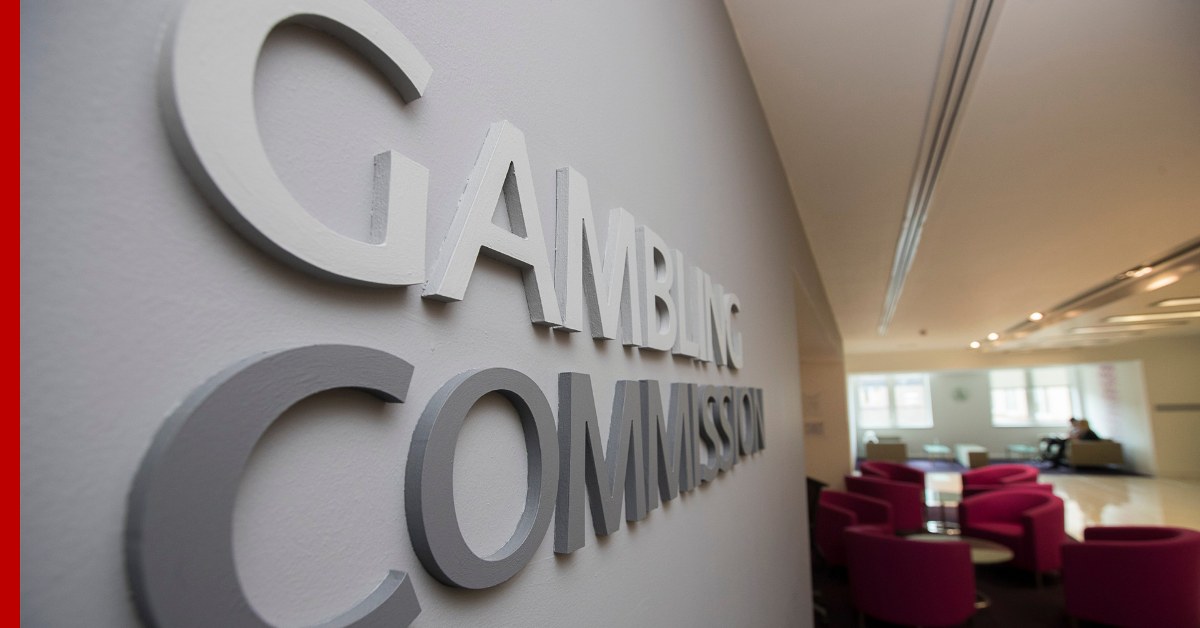
The UK regulator identified breaches of licensing standards across anti-money laundering controls, safer gambling alerts and customer withdrawal policies between October 2024 and October 2025.
The UK Gambling Commission has agreed a £900,000 settlement with L&L Europe following an investigation that uncovered regulatory failings spanning withdrawal processes, anti-money laundering controls and social responsibility measures.
L&L Europe operates seven gambling websites including allbritishcasino.com, casinocasino.com and hypercasino.com. The breaches occurred between October 2024 and October 2025, with the Commission citing violations of the Licence Conditions and Codes of Practice (LCCP).
Withdrawal Restrictions Delayed Customer Access
Enforcement proceedings highlighted multiple withdrawal-related failures under LCCP 7.1.1 (1) and 17.1.1 (2). The regulator found that L&L Europe’s terms and conditions restricted customers to requesting one withdrawal at a time. Further requests could only be submitted once the previous withdrawal had been authorised.
Certain withdrawal requests were withheld for reasons unrelated to regulatory or legal requirements, according to the regulator. The operator’s fraud and collusion policy subjected every fifth or tenth withdrawal from some customers to manual review. Affected users were required to supply additional information before withdrawals could progress.
L&L Europe acknowledged the review process delayed withdrawals pending manual checks. The firm also accepted that in certain instances, information could have been requested earlier in the customer relationship. The company has since revised its policies to address the identified issues.
AML Controls Relied on Sampling Rather Than Risk Profiles
The Commission flagged three separate AML breaches during the review period. Under LCCP 12.1.1 (1), L&L Europe’s money laundering and terrorist financing risk assessment lacked clarity. The regulator said the assessment failed to enforce standard stages of risk identification, analysis and evaluation. Controls applicable to disproportionate spending were not detailed, the Commission stated.
A second breach under LCCP 12.1.1 (2) concerned inappropriate AML controls. The operator’s framework largely relied on financial thresholds and sampling rather than risk factors and individual customer risk profiles, the regulator noted.
A third failure under LCCP 12.1.1 (3) related to inconsistent application of the operator’s own AML policies and procedures. In one case examined, a customer deposited £4,400 within eight hours of opening an account. The operator accepted ‘gambling account’ as the source of funds without considering the recently opened bank account or verifying whether the funds originated from legitimate income or savings. The same player later chased a withheld withdrawal and provided an incorrect address twice, but no suspicion was raised.
Safer Gambling Alerts Focused on Financial Thresholds
The regulator identified safer gambling shortcomings related to the Social Responsibility Code Provision (SRCP). L&L Europe’s safer gambling alerts predominantly focused on financial thresholds, breaching SRCP 3.4.3 paragraph 5. Alerts covering time spent gambling, failed deposits and deposit frequency were not applied across all seven websites. The system only generated alerts when two indicators appeared on the same day.
One customer made 84 failed deposits within seven days due to insufficient funds. L&L Europe did not identify potential gambling-related harm, the Commission said.
Under SRCP 3.4.3 paragraph 11, the operator had only one strong indicator of harm in place: customer losses within a 24-hour period. A further breach of SRCP 3.4.3 paragraph 12 arose because the policy did not provide detail on how the company assessed customer interactions and actions on behaviour or ongoing risk.
The Commission also referenced SRCP 3.4.3 paragraph 13, noting failure to demonstrate an overall process for evaluating its customer interaction approach. Some individual customer evaluations took place, but no assessment of the effectiveness of wider policies, procedures and controls existed.
Failures to act when indicators of harm were present were also identified. One player reached the financial threshold within 24 hours of registering but did not receive a call until two weeks later. When the call occurred, the same threshold had been reached numerous times.
Two customers under 25 were highlighted separately. One player, aged 21, lost £6,500 within three days. Another, aged 18, lost £4,000 in eight minutes. “In both cases, the relevant age and other risk indicators were not identified or acted upon,” the Commission said.
Regulator Notes Prompt Remediation But Labels Failures Serious
The Commission said the failings were “serious” and potentially impacted L&L Europe’s licensing objectives. The regulator noted similar failings had been identified and made public at other licensed operators.
L&L Europe promptly implemented a plan to address the issues flagged, the Commission acknowledged. The company fully co-operated with the investigation and accepted the failings at an early stage. The £900,000 payment was agreed in lieu of a financial penalty. L&L Europe also made payments towards the cost of the investigation.
“As a regulator we expect consumers to be treated fairly,” said Sue Young, executive director of operations at the Commission. “A basic expectation is that when you have winnings you can withdraw those swiftly without hinderance from unfair terms and conditions or the operator failing to carry out checks at an earlier stage. That is essential to consumer trust.”
“There may be occasions where a gambling business can ask consumers for information at withdrawal to fulfil legal obligations, but this was not the case here,” Young added.
“We hope this case sends a clear reminder to the industry that, although much of our enforcement action frequently relates to anti-money laundering and social responsibility failings, we will not hesitate to act when we see incidents of gambling not being fair and open.”